



Modernizing a Life Insurance Core in the EU: A Practical Path
The Legacy Trap: Batch Cores and Paper Reality
Most European life insurers still run on batch-oriented cores from the 1980s and 1990s:
- New product launches require months of IT effort
- Servicing requests queue for overnight batch processing
- Customer data scattered across policy, claims, and finance systems
- Beneficiary changes require wet signatures and paper forms
- Surrenders and fund switches remain manual, multi-day processes
The Compliance Imperative: KIDs, Governance, KYC/AML, Auditability, Resilience
EU regulations demand technical foundations, not just documentation:
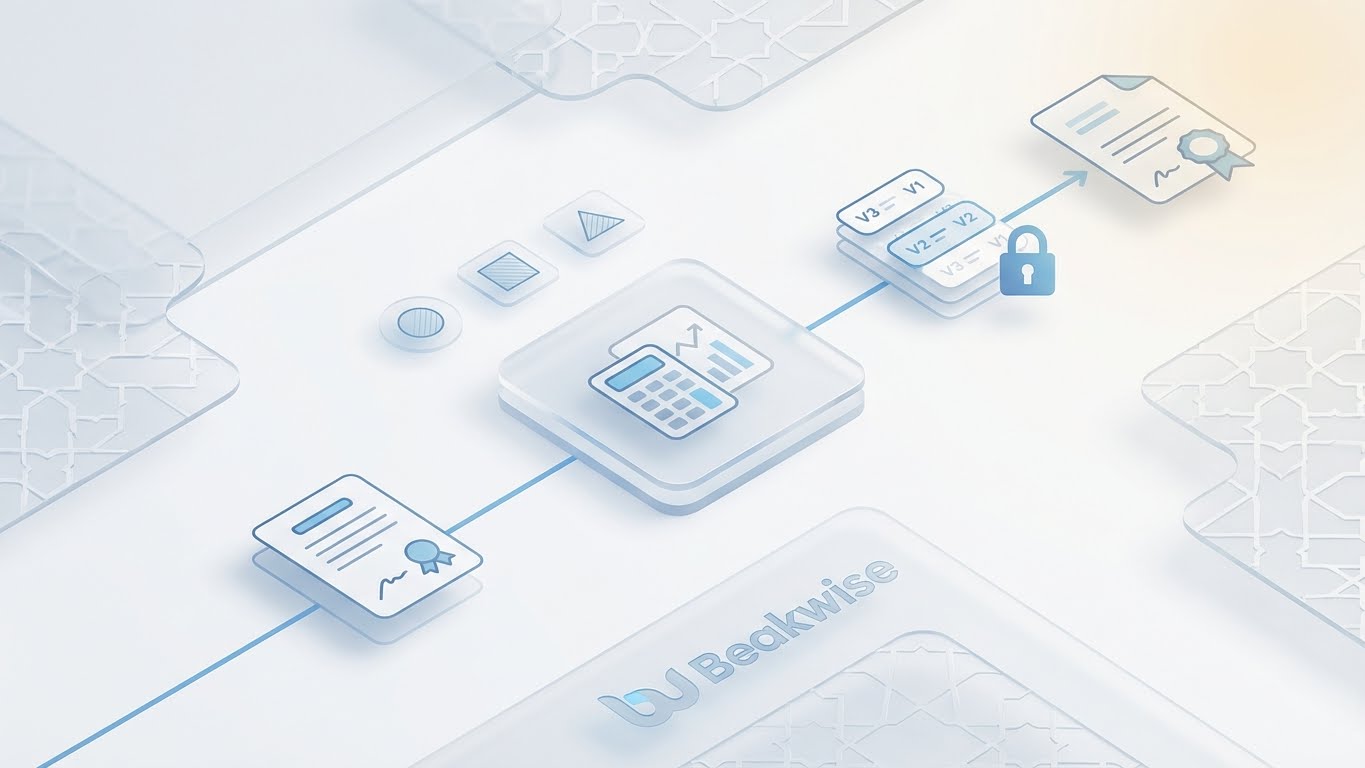
- PRIIPs: the platform supports KID preparation, versioning and timely pre-contractual delivery, using product cost and NAV inputs from your data sources
- IDD product governance must be embedded in distribution workflows
- GDPR consent evidence and DSAR handling need technical infrastructure
- DORA: the platform provides technical capabilities supporting ICT-risk management, resilience and incident evidence; responsibility for DORA compliance remains with the insurer
- KYC/AML must be workflow-native: integration-ready (including providers such as Jumio) + provider-agnostic adapters
A Pragmatic Modernization Path: Move Fast Without Breaking the Business
You don't need a multi-year big-bang migration. Start with high-value capabilities:
- Strangler pattern: new capabilities go live while legacy stays operational
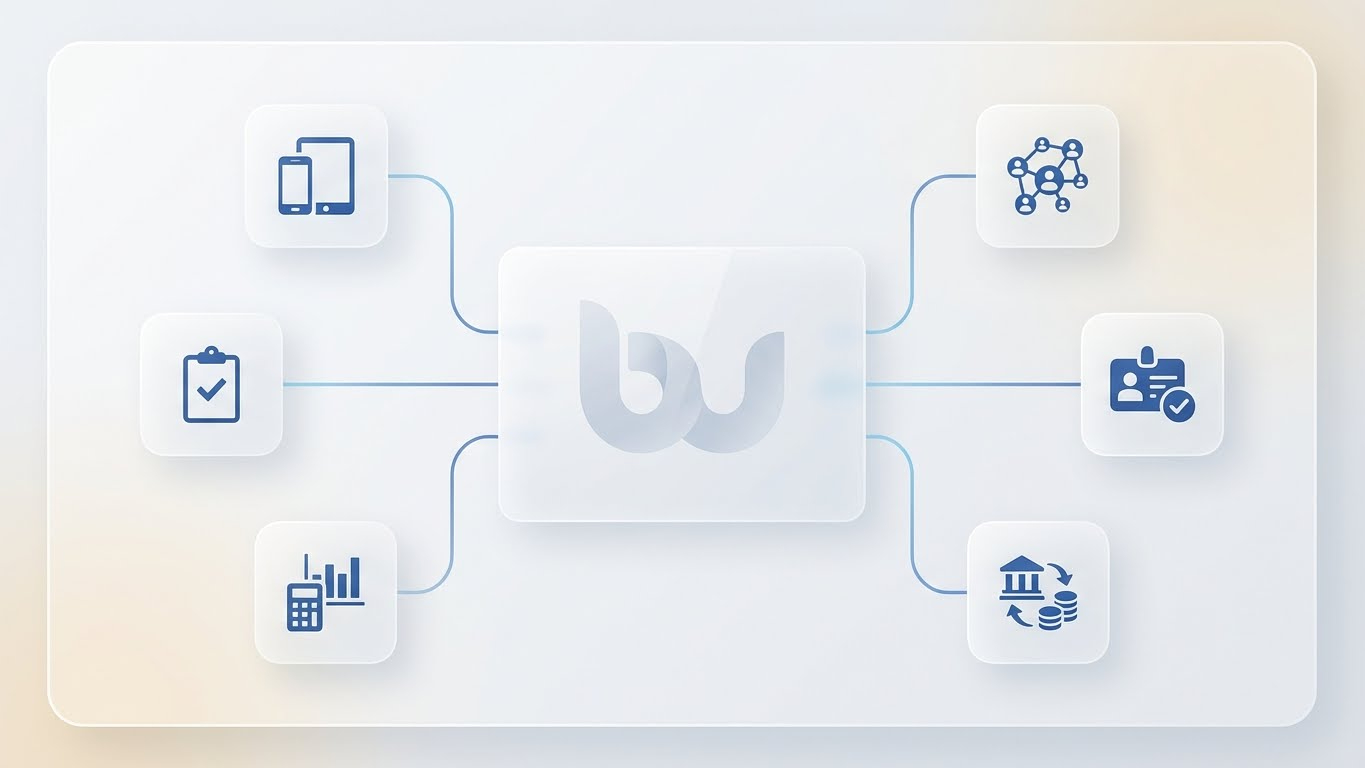
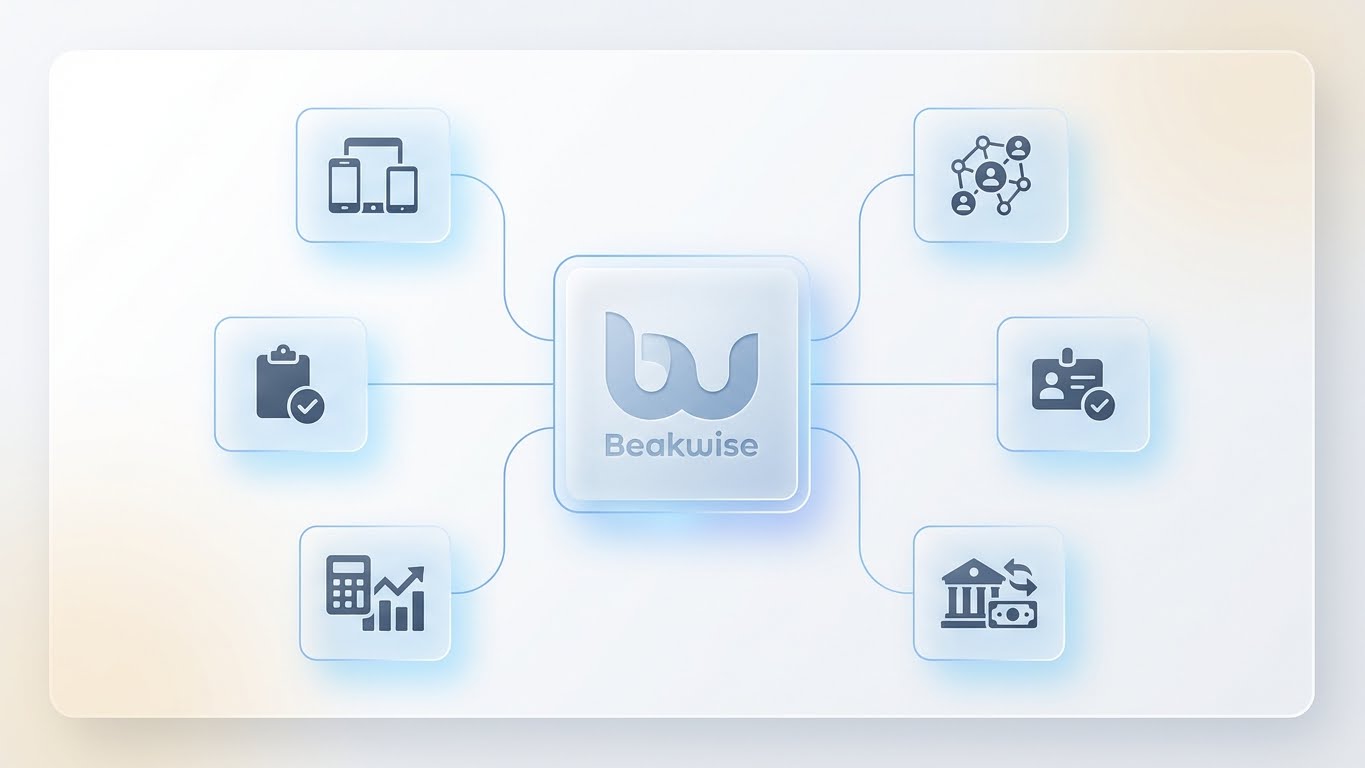
- Quick wins: digital underwriting workbench, policyholder portal, agent quote-to-bind
- Incremental value: CFO sees ROI, operations sees relief, regulators see progress
- Keep your actuarial pricing stack intact, with integration-ready connectivity to engines such as Prophet, AXIS, MoSes, Addactis and Radar
- API and batch adapters for rating engines, with no model re-platforming required